Cabin types, not “best rooms”
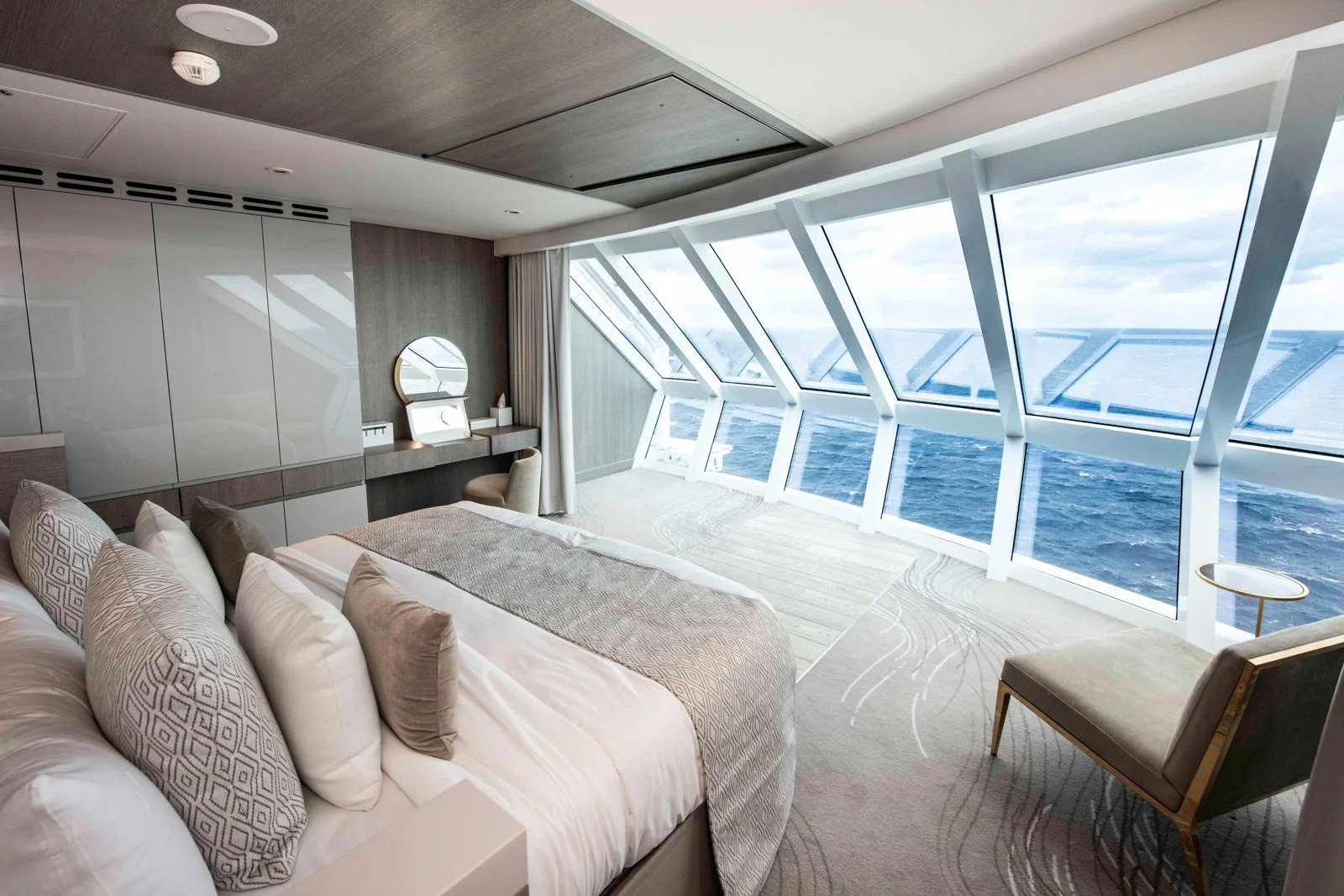
Cruise lines sell the same four cabin families on most large ships: inside (no window), oceanview (window or porthole), balcony (private veranda), and suite (more space and extra service that varies by line). There is no universal “best” cabin. The right choice depends on budget, motion sensitivity, noise tolerance, and how much time you actually spend in the room.
Deck plans and category codes differ by line. Always read the specific category description for your sailing rather than assuming an “oceanview” on one brand matches another. For ship-by-ship context, start in the SeaDays ship guides.
Inside cabins
Inside cabins are the lowest fare on most ships. They are dark when lights are off, which some guests like for sleep. They have no natural light and can feel small. They work well if you are rarely in the room except to sleep and change. They are a poor fit if you want a view, natural light, or a sitting area.
Oceanview cabins
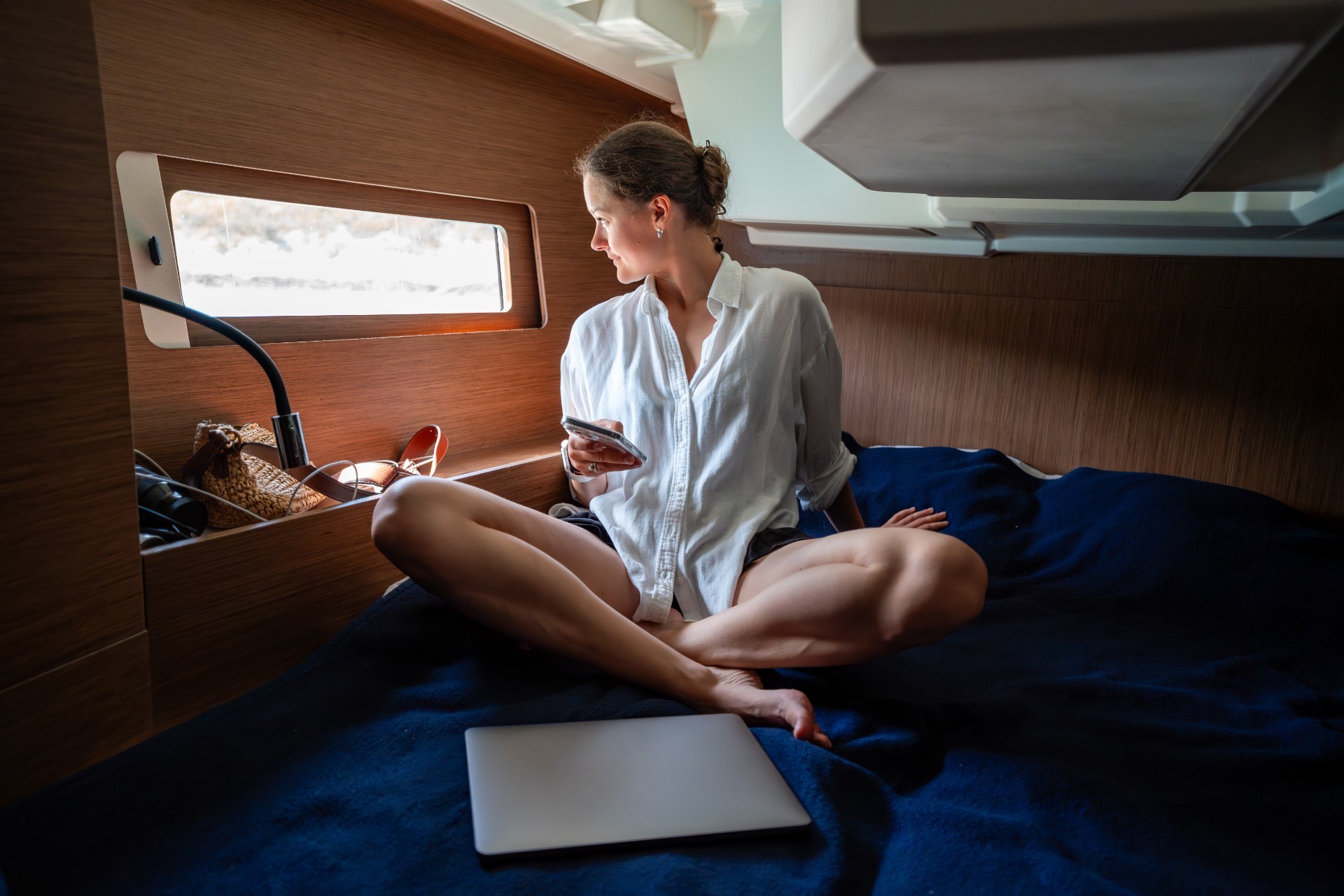
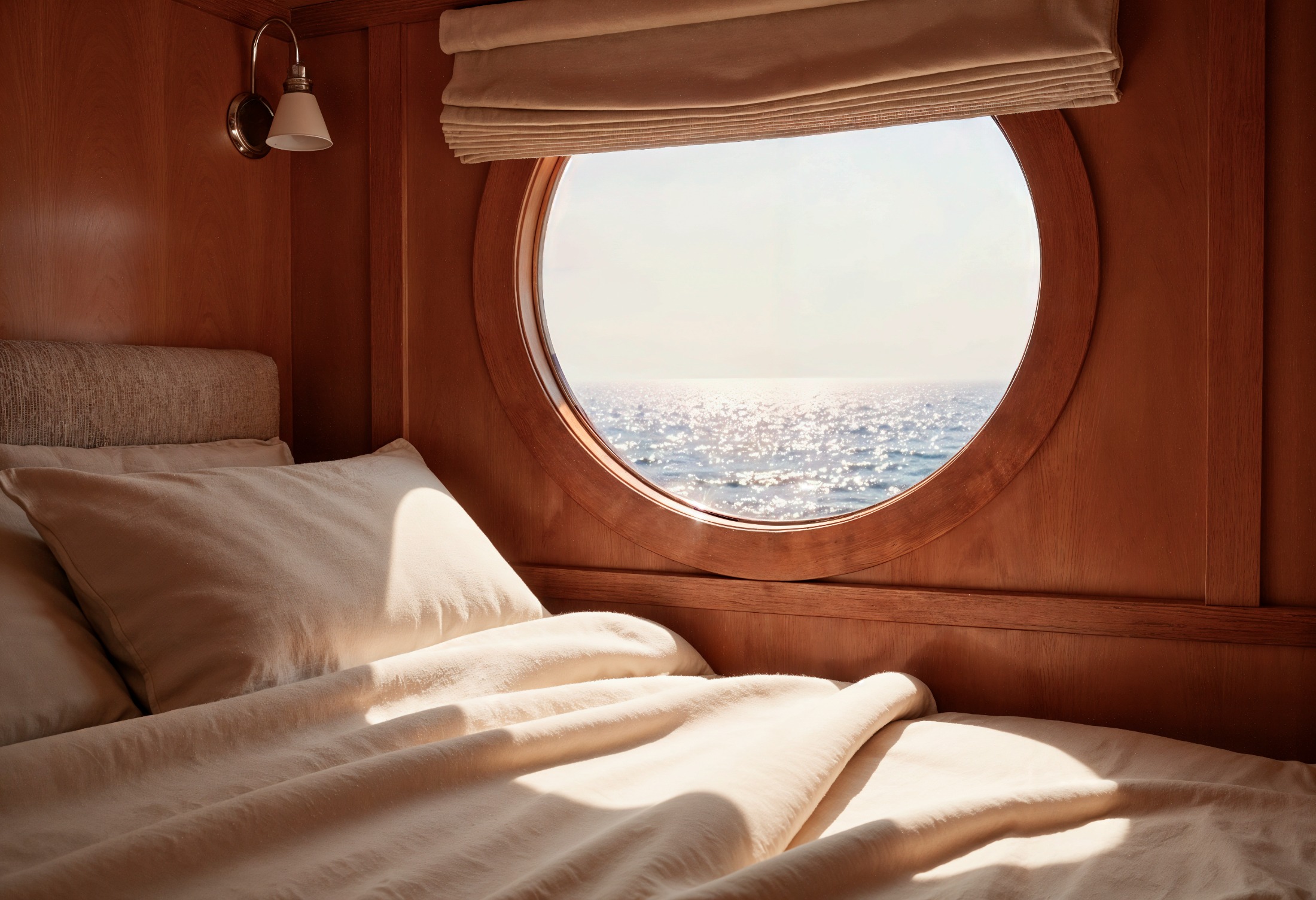
Oceanview cabins add a window or porthole. Some are obstructed by lifeboats or metalwork—those are usually cheaper and should be labeled. A window does not give you outdoor space. If the view matters more than stepping outside, oceanview can be the value pick versus a balcony.
Balcony cabins
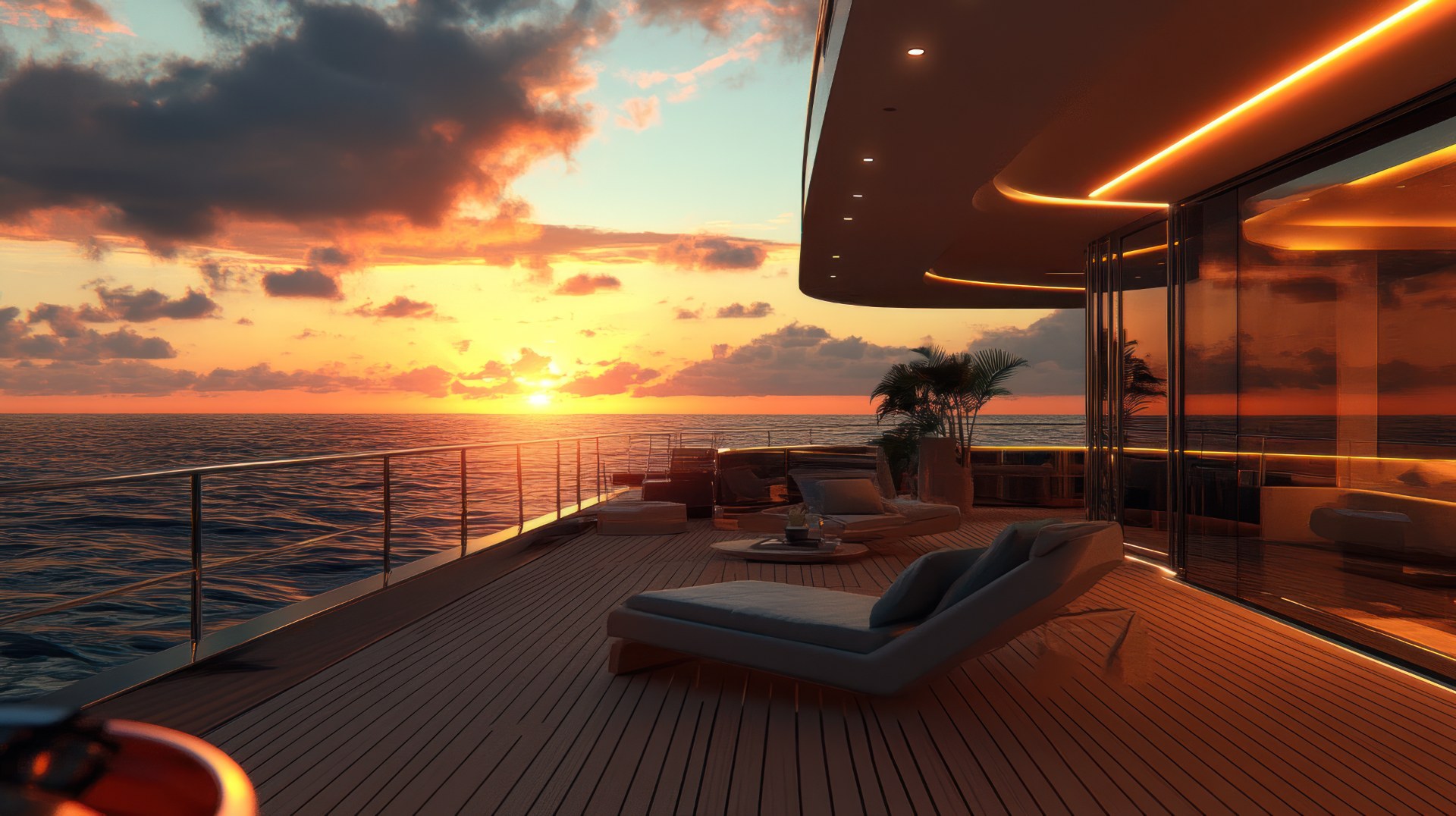
A balcony adds private outdoor space. That is the usual upgrade people remember. Downsides: higher fare, more motion on high/forward/aft decks in a seaway, and furniture that can be wet or windy. On cold or repositioning itineraries you may barely use it. On warm port-intensive itineraries many guests use the balcony every morning.
Suites
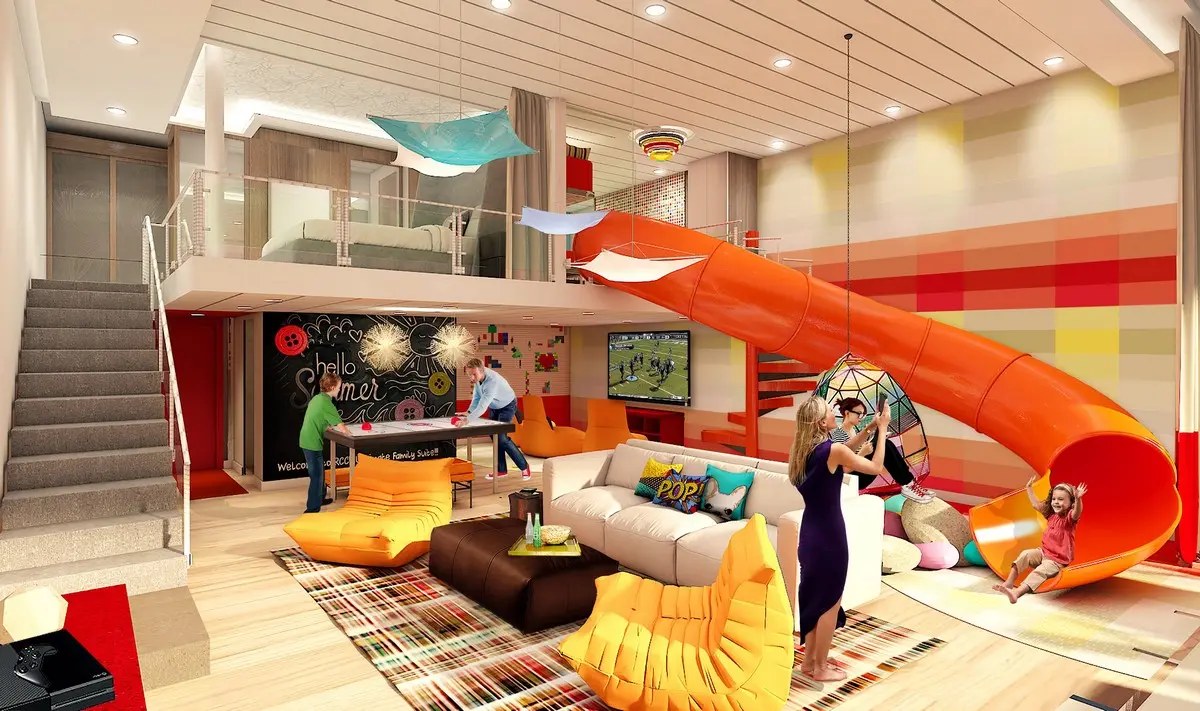
Suites are not one product. Some are large balcony rooms. Others add a separate living area, extra attendants, or included extras (dining, laundry, or lounge access). Those extras are line-specific. Do not assume a “suite” includes drinks, Wi‑Fi, or specialty dining unless the fare code says so.
Locations that commonly disappoint
These patterns show up across many ships. They are not a rating of any one vessel:
- Under the pool deck, buffet, or lido: early-morning furniture dragging, late-night music, and kids running overhead.
- Near theaters, clubs, or the casino: show let-out noise and bass through bulkheads.
- Forward, high: more pitch in a seaway. Aft can feel vibration from propulsion on some ships.
- Connecting-cabin doors: extra noise if the other cabin is occupied by strangers.
- Guarantee / “choice of” categories: you get the cabin type, not a chosen location. Fine if you are flexible; risky if you need midship or a quiet deck.
Locations that are often quieter
Midship, on a cabin-only deck (cabins above and below), away from stairs and elevators, is the usual quiet/motion compromise. Lower decks generally move less. That is a tendency, not a promise: a cabin under a galley or laundry can still be noisy.
What to check before you book
- Open the deck plan and look one deck above and below your category.
- Search the category code for “obstructed,” “metal structures,” or “partial view.”
- If anyone in the party is motion-sensitive, prefer midship and avoid the highest forward cabins.
- If you share a cabin, decide closet and outlet needs before buying extras. See the cruise packing list and what to assign before a second power strip.
- First sailing? Pair cabin choice with first-time cruise tips so embarkation and dining are not afterthoughts.
Accessible and family cabins
Accessible cabins are limited and must match the guest’s documented needs. Family cabins (pullmans, sofa beds, connecting pairs) sell out early on school-holiday sailings. Book those as named cabins, not guarantees, if the layout matters.
SeaDays does not assign cabins and does not publish invented occupancy scores. Use the line’s deck plan, then keep the choice in your cruise planner with the rest of the sailing.