Defining the Future of Cruising Without the Sci-Fi Fog
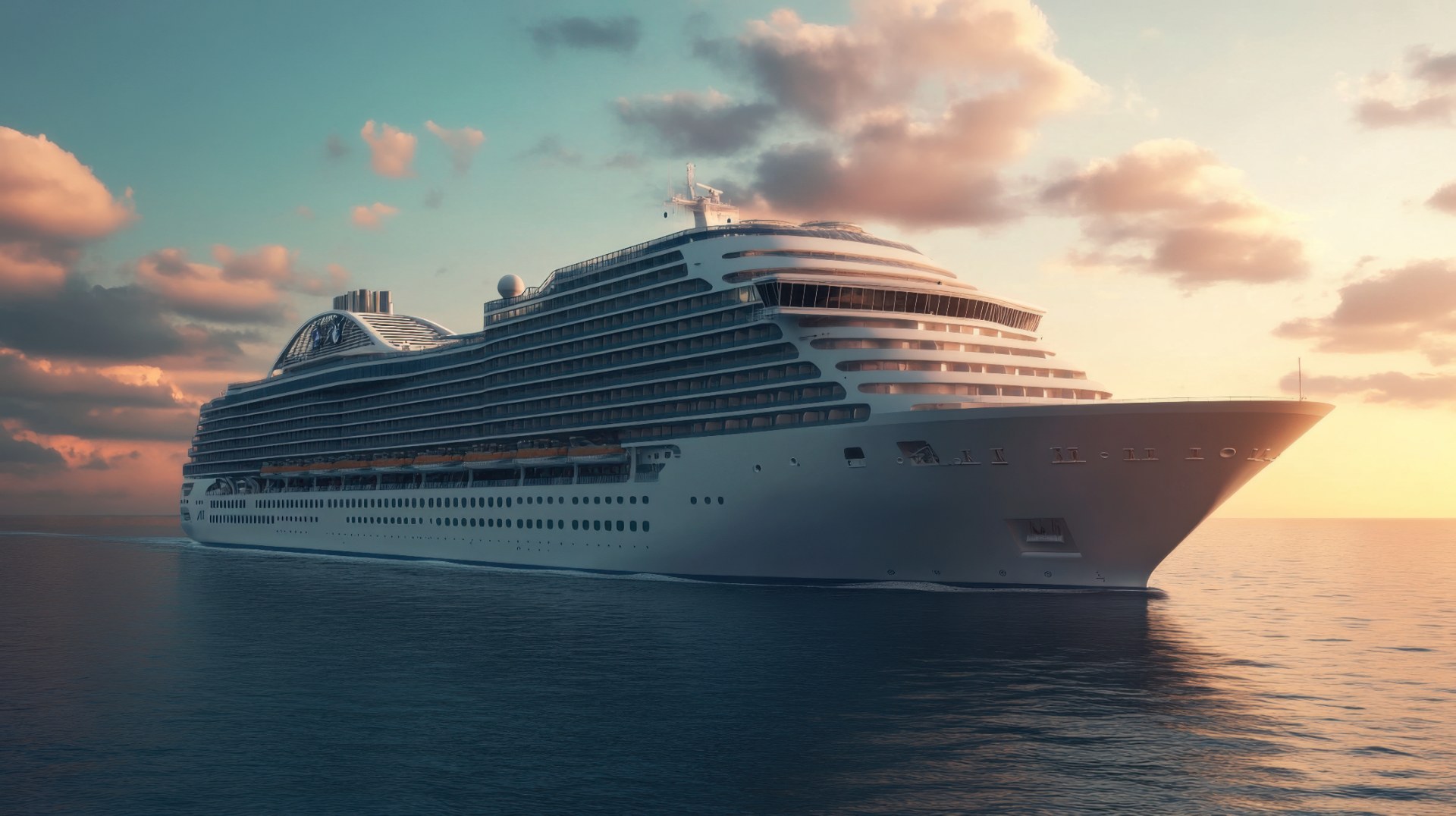
The future of cruising is not a single gadget—it is a stack: propulsion choices, hotel operations, guest apps, safety systems, and shore-power compatibility in ports that may or may not invest in grid upgrades. AI enters as decision support—routing optimization, predictive maintenance, demand forecasting for food and labor—more often than as a robot bartender headline. Smart ships blend sensors, networks, and software so crew can see anomalies early: vibration spikes in engineering, unusual door events, crowd density near must stations.
If you want a grounded preview of what you will actually touch as a guest, start with plan your cruise with SeaDays and map ship generation, itinerary complexity, and port infrastructure—technology matters most when it reduces friction you feel at embarkation, WiFi, and tender days.
AI Onboard—What Helps Guests vs What Helps the Back Office

Guest-facing AI today often means chat assistants in apps, translation tools, and recommendation engines for dining and shows. Back-office AI is quieter but heavier: forecasting how many chicken breasts Tuesday needs, scheduling crew rotations, flagging maintenance windows between sailings. Comparison: airlines use optimization math for fuel and crew legality; cruise lines add hotel scale and multiple kitchen venues per ship.
Practical insight: when an app suggests a restaurant, you are seeing revenue management plus personalization—helpful, but not neutral. Loyalty data steers offers the same way hotels do. Travelers who prefer human concierge touches should still use apps for baseline facts—hours, menus, booking windows—then confirm special needs in person.
Smart Ships vs Smarter Marketing
A smart ship claim should be unpackable: hull sensors? Dynamic positioning? Battery hybrid load shifting? LED hull lighting is fun, but it is not the same category as shore power hooks that cut emissions in port. Example: two ships may both advertise “advanced efficiency,” but one reduces fuel burn with route optimization and waste heat recovery, while another primarily upgraded guest WiFi radios. Explore ships on SeaDays to compare classes side by side and cross-check year built/refit—refits often retrofit exactly the systems marketing loves to name.
Floating Cities—Useful Metaphor, Risky Expectation
Calling a mega-ship a floating city explains scale—neighborhoods, transit time, micro economies—but it can mislead guests into urban assumptions that do not hold. Cities have hospitals with full specialties; ships have clinics optimized for stabilization. Cities have competing ISPs; ships have satellite and radio constraints that cap real-world Mbps. Insight: treat mega-ships as dense resorts with maritime rules, not as duplicates of onshore life.
LNG dual-fuel engines, shore power connections, and future fuels matter to itinerary feasibility. Some ports prioritize ships that can plug in; others lag on grid work, which shifts where lines allocate newbuilds. Travelers focused on sustainability should read line reports and third-party ratings, not only brochure adjectives. Comparison: electric cars need chargers; ships need compatible bays and local utilities—hardware outside the ship matters.
Connectivity as the Real “Smart” Battleground

Guest expectations for streaming clash with physics—latency, contention, weather fade. Smart ship network design improves experience per megabit spent, but does not repeal satellite economics. Practical advice: download offline maps, shows, and reading before sea days; treat WiFi as augmentation, not guarantee. For route ideas that pair connectivity needs with port density, browse cruise ports and note where you can upload heavy files ashore.
Personalization, Privacy, and the Loyalty Trade
Apps that know your drink order feel magical until you remember data is the product layer. Cruise brands compete on repeat bookings, so personalization incentives run deep. Mitigation: use privacy settings, avoid public WiFi for sensitive tasks, and enable multifactor authentication on accounts tied to payments. Insight: security habits on land still apply at sea—ship networks are managed, not magically safe.
Robotics and Labor—What Changes for Crew
Robots capture headlines, but crew value often moves up the skill stack: higher touch service, complex problem solving, safety leadership. Automation in galleys may reduce repetitive strain; it does not remove human judgment during rough seas or allergen incidents. Comparison: airport kiosks did not delete agents—they shifted where humans spend minutes.
Ports, Infrastructure, and the Network Effect
Smart ships only shine when ports coordinate berth power, waste offload, and transit flows. Crowded destinations may limit daily visitors—tech helps lines model disembarkation waves, but cannot invent pier capacity. Travelers should read destination news alongside ship news. The SeaDays blog tracks planning angles that connect ship choice with ashore reality.
Scenario Planning—2026–2030 Traveler Profiles
Profile A — Digital nomad lite: needs reliable WiFi windows, power outlets, and quiet spaces—choose ships with documented network upgrades and fewer tender only ports if uploads matter. Profile B — Sustainability first: prioritize lines publishing measurable targets and ships with shore power where your itinerary actually calls. Profile C — Experience maximalist: enjoy app booking and wearables, but verify human backup for special needs—AI suggestions fail when allergies collide with menu changes.
Regulation, Safety, and Why Innovation Still Bows to Maritime Law
The future of cruising will keep bumping into SOLAS, flag-state rules, port-state inspections, and environmental compliance that do not move at Silicon Valley speed. AI can suggest a maintenance window; it cannot waive a lifeboat drill. Smart sensors can flag hot bearings; they do not replace human watch standards in narrow channels. Insight: when marketing promises “revolution,” check whether the revolution is guest-visible comfort or back-office efficiency—both matter, but only one changes your photos.
Comparison: commercial aviation adopted predictive maintenance quietly for decades before passengers noticed—cruise tech will follow a similar curve: safer operations first, flashy gadgets second.
Wearables, Biometrics, and the Queue-Reduction Wave
Some lines experiment with wearables for payments and cabin entry, facial recognition for embarkation throughput, and apps that reserve shows to flatten lines. Practical upsides: fewer wallet fumbles at pool bars, faster gangway rhythms when ports swell. Trade-offs: privacy preferences, battery anxiety, and backup plans when servers hiccup. Authority take: adopt what reduces friction for your party; opt out where comfort wins. The SeaDays blog is a useful place to compare rollout notes across brands without relying on a single press release.
Floating Cities and the Governance Gap Travelers Should Understand
When people say floating cities, governance questions follow: whose laws apply in cabins, whose agents board for inspections, and what happens in medical emergencies mid-ocean? Smart platforms do not erase those frames—they add data governance questions too: where logs live, how long biometric images retain, who can access spending patterns. Practical traveler move: read privacy policies like adults, use strong passwords, and assume onboard networks are shared environments. Explore ships on SeaDays when you want hardware context—newer ships often carry more digital touchpoints per guest than older hulls, which changes both convenience and attack surface. If you want a single sentence to carry ashore: smart ships optimize operations first; guest delight follows when those systems stay reliable at scale. That sequence matters for budgets too—refits and newbuilds cost real money, and lines fund them through fares over time.
FAQ — AI, Smart Ships, and Floating Cities
Q1: Will AI replace cruise directors? A: AI may assist scheduling and translations, but live events remain human driven for quality and safety adaptation.
Q2: Are smart ships safer? A: Sensors can improve early warning, but safety culture, training, and regulatory compliance remain foundational.
Q3: Is LNG always “greener”? A: It reduces certain emissions relative to conventional fuels, but lifecycle and methane management matter—read line specific reporting.
Q4: Will mega-ships keep getting bigger? A: Economies of scale pull upward, but port limits and route flexibility push back—expect more diversity in sizes, not endless growth.
Q5: Do I need a special app for every cruise? A: Often yes per brand, but consolidate your own documents offline—apps glitch, roaming varies, ship WiFi does too.
Related Reading & Internal Links
- Compare fleet generations on ships before chasing headline features.
- Map infrastructure-heavy destinations via ports.
- Read tech and planning trends on the blog.
- Use the SeaDays cruise planner to align ship choice with your work and connectivity needs.
- Bookmark SeaDays app for on-trip organization when multiple bookings compete for attention.