Split is the second-largest city in Croatia and the principal urban center of Dalmatia, situated on the eastern shore of the Adriatic Sea. As the administrative seat of Split-Dalmatia County and the largest city on the Croatian coast, it serves as a key economic, cultural, and transportation hub for the region.
Split, Croatia Cruise Port Guide
Mediterranean · Croatia
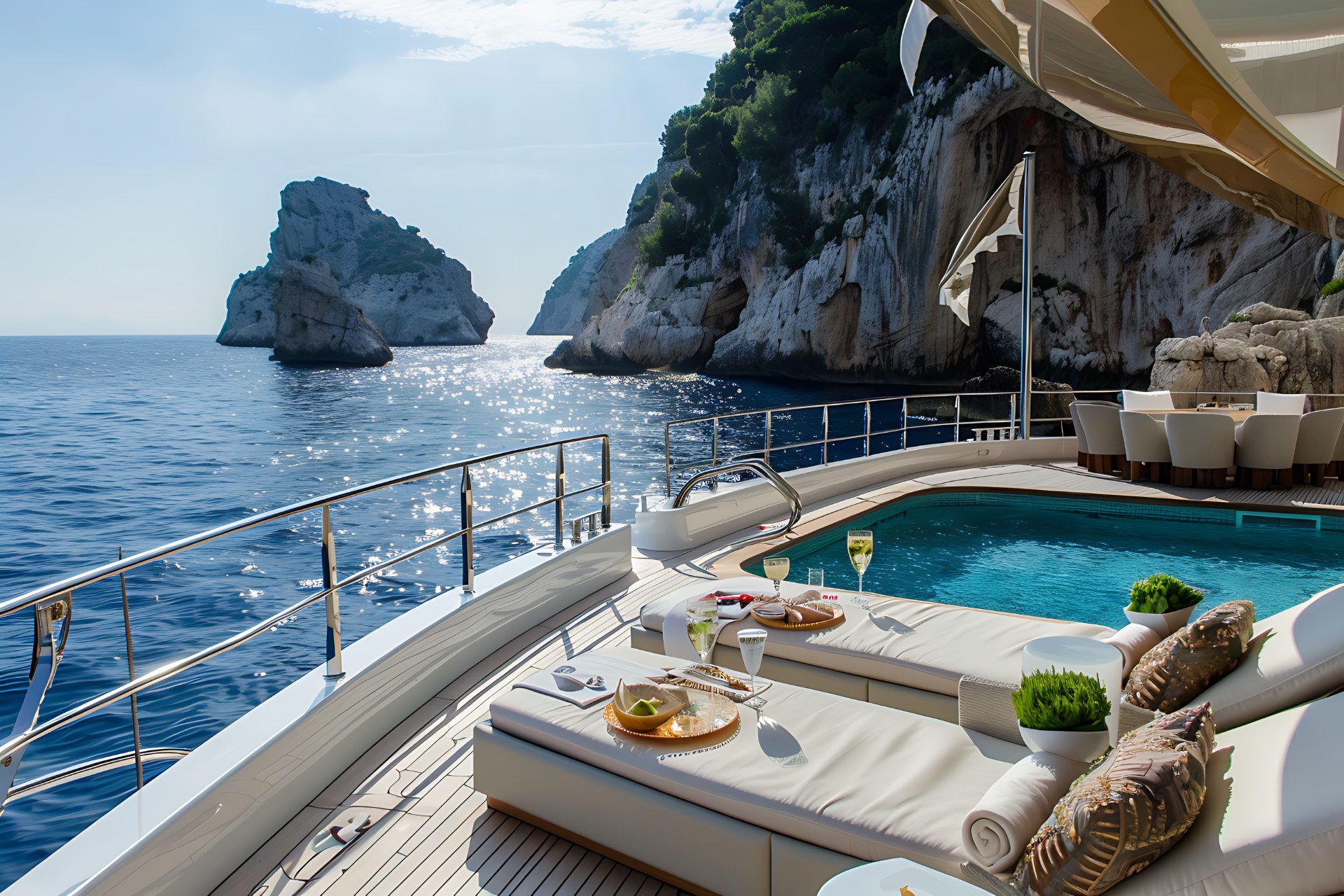
Port day snapshot
Split shore-day moodCroatiaMediterraneanSeaDays guide
Croatia's second-largest city, featuring Diocletian's Palace, a UNESCO World Heritage site, and beautiful waterfront.
Bookable Experiences
SeaDays may earn a commission from qualifying bookings made through partner links. Checkout, payment, and support are handled by the partner.
Weather & best season
Mediterranean climate with hot summers and mild winters Average temperature: 16°C (61°F).
Best season: May, June, July, August, September
Port information
- Timezone
- CET (UTC+1) / CEST (UTC+2)
- Language
- Croatian
- Currency
- Euro (EUR)
Overview
Things to do
Split is the second-largest city in Croatia and the principal urban center of Dalmatia, situated on the eastern shore of the Adriatic. As the administrative seat of Split-Dalmatia County and the largest city on the Croatian coast, it serves as a key economic, cultural,. Developed around the historic core of Diocletian's Palace and extending across a central peninsula toward its surrounding suburbs and hinterland, Split combines. For a shore day in Split, choose one main activity first, then keep time for meals, walking, and the return to the pier.
- Confirm your assigned pier and all-aboard time before leaving the ship at Split.
- Check whether your line offers shuttle pricing before you commit to taxis at Split.
- Pair a light breakfast on the ship with a local lunch ashore to maximize exploration time.
- Screenshot ship departure time and pier map before you lose signal.
- Start with one anchor sight, then leave room for spontaneity around Split.
Climate
Mediterranean climate with hot summers and mild winters
- Climate type
- Mediterranean
- Average temperature
- 16°C (61°F)
- Humidity
- Moderate
- Best months
- May, June, July, August, September
- Rainy season
- Autumn and winter
Politics & entry requirements
- Government
- Unitary parliamentary republic
- Stability
- Stable
- Visa requirements
- Entry and visa rules depend on nationality. Many visitors use Schengen short-stay rules, but requirements change—confirm with official government sources and your cruise line before travel.
- Entry requirements
- Carry a valid passport (or a national ID where your cruise line and destination authorities accept it). Cruise transit formalities can differ from a normal airport entry—follow your ship’s document list.
Facts
Notable features
- Diocletian's Palace
- Historic center
Size & capacity
- Terminals
- 1
- Berths
- 2
Traveler questions
What are the entry or visa requirements for Split?
Entry and visa rules depend on nationality. Many visitors use Schengen short-stay rules, but requirements change—confirm with official government sources and your cruise line before travel. Carry a valid passport (or a national ID where your cruise line and destination authorities accept it). Cruise transit formalities can differ from a normal airport entry—follow your ship’s document list.
When is the best time to visit Split on a cruise?
Best months: May, June, July, August, September. Mediterranean climate with hot summers and mild winters
Reviews
Public community reviews for Split live in the SeaDays app.
Cruise relevance
Split matters to cruise planning because port time, transport distance, and all-aboard timing shape how much of the destination you can realistically enjoy. Embarkation from Split can simplify flight planning when airports and hotels align; compare total trip cost versus other homeports.
Best time to visit
May, June, July, August, September
Tips for travelers
Before leaving the ship in Split, save the pier location, ship time, and any shuttle details offline. Book independent tours with verified reviews and clear meeting points; screenshot confirmations in case connectivity fails.
Related ports
Ships to explore
What if you miss the ship? · Cruise packing list · Ships directory
More reading
Port guideBest Mediterranean Cruise Ports: What to Do in Each StopThe Mediterranean rewards travelers who mix iconic sights with local rhythm. From Barcelona’s architecture to Santorini’s caldera, Dubrovnik’s walls, and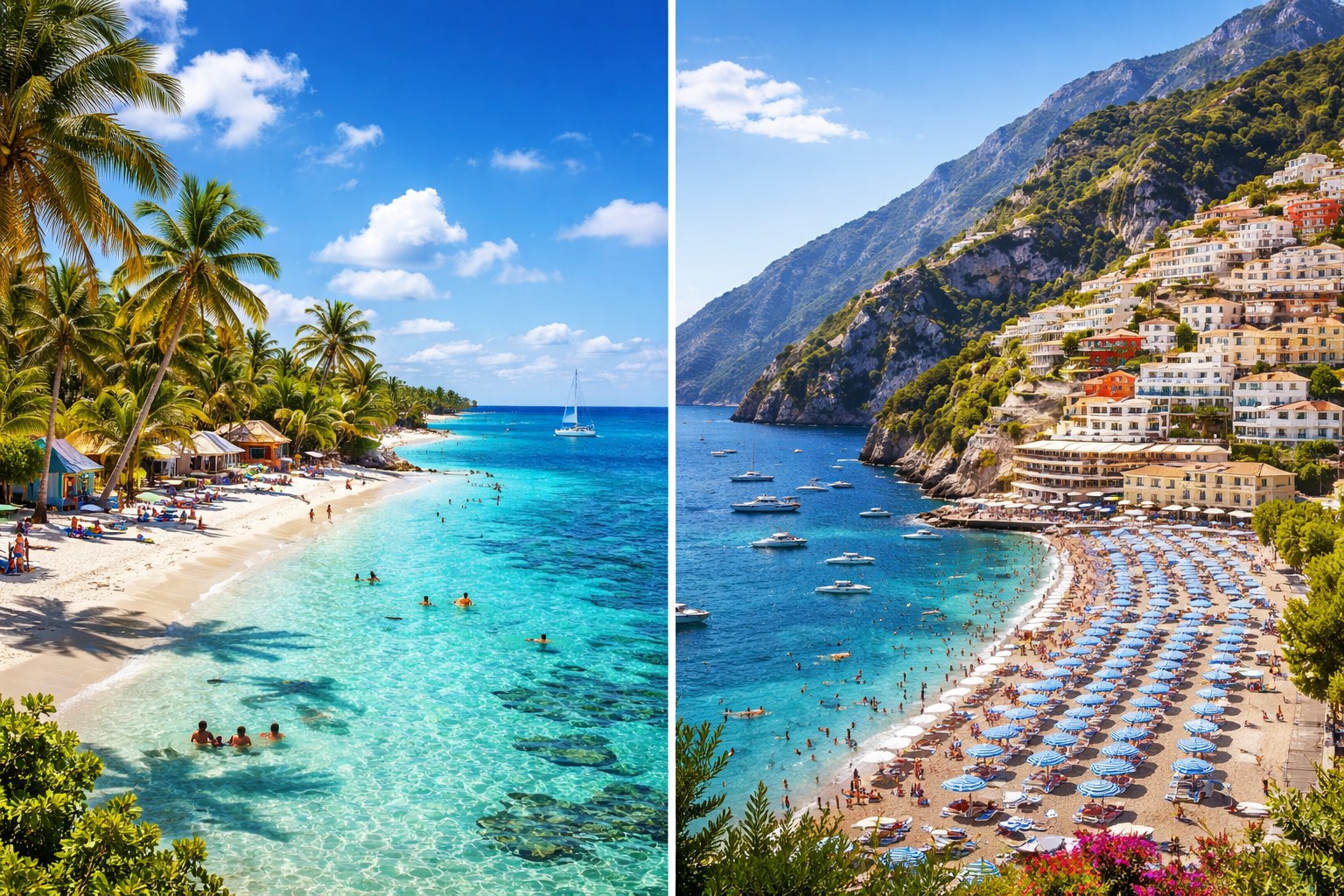 Port guideCaribbean vs Mediterranean Cruise: Which Should You Choose for Your First Trip?First-time cruisers often narrow the world to two iconic regions—the warm, beach-forward Caribbean or the culture-dense Mediterranean. Neither is “better”;
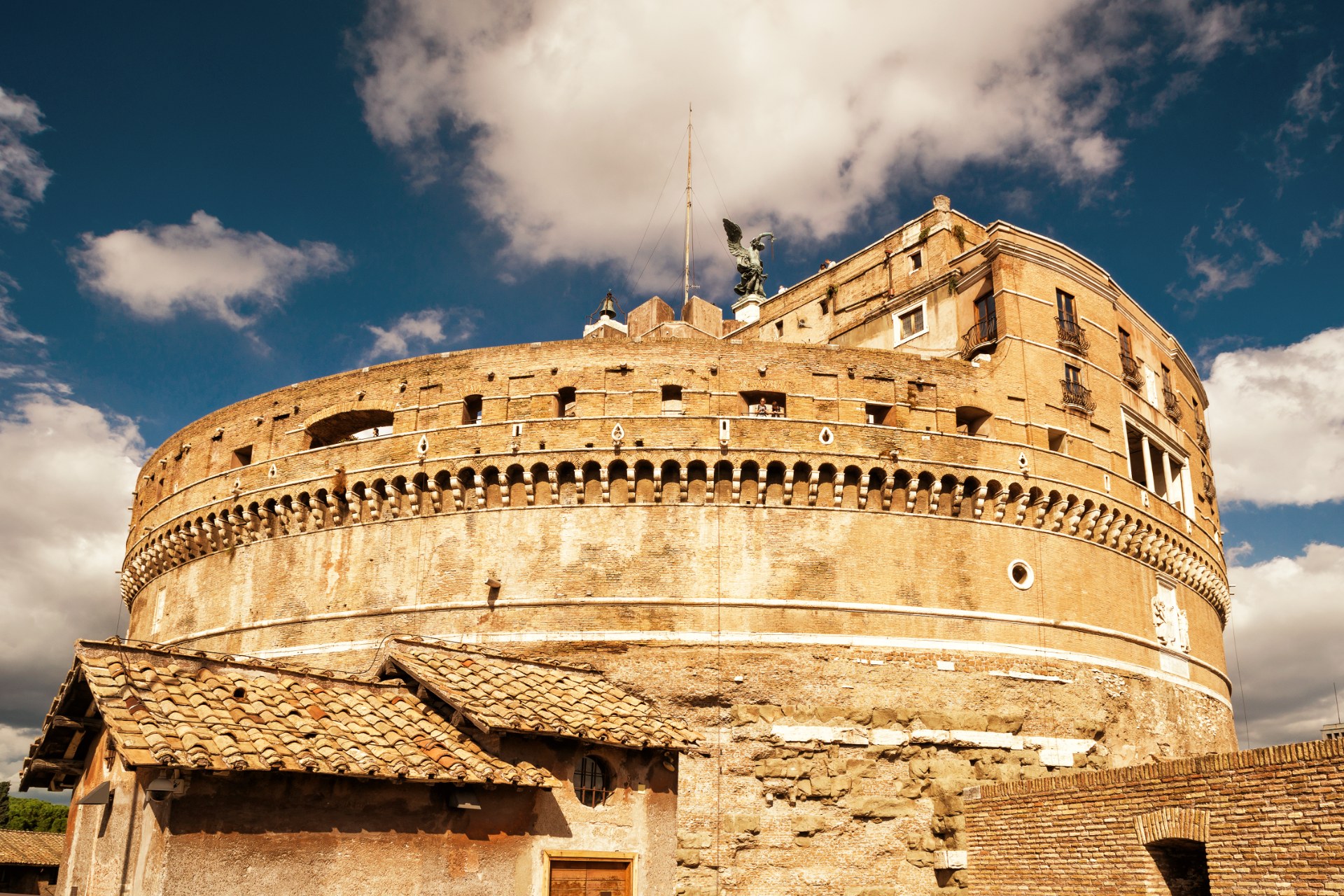 Port guideRome (Civitavecchia) Cruise Port: How to Explore the Eternal CityCivitavecchia is Rome’s cruise gateway—not Rome itself. Success means respecting distance, train schedules, and realistic sightseeing. This guide explains transfers,
 Port guidePre-Cruise vs Onboard Spending: Where the Folio Actually Blows UpYour final folio is not your vacation cost. See when money locks (pre-cruise), drips (onboard), and swings (port days)—plus a
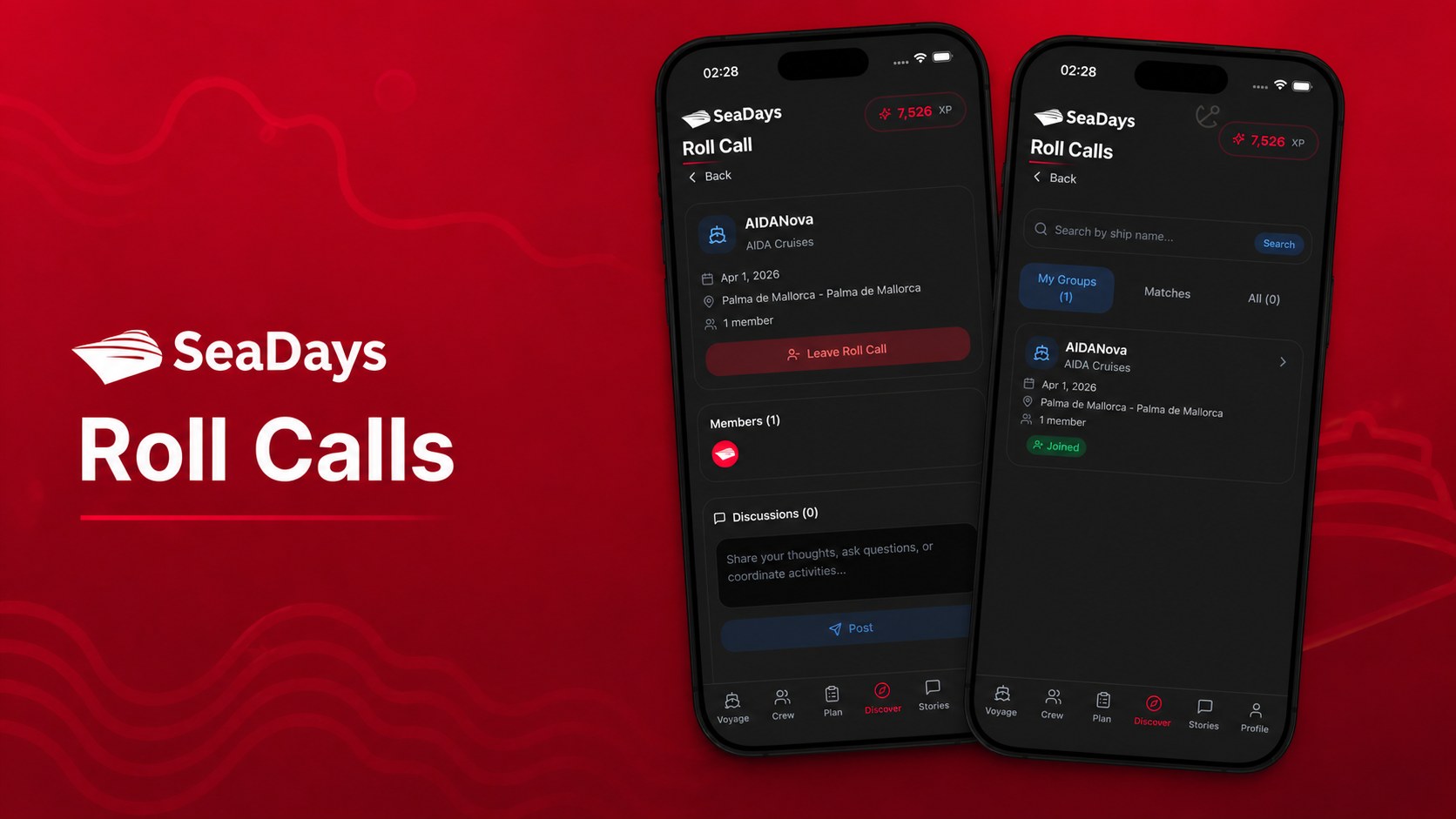 Port guideWhy Joining a Roll Call in SeaDays Changes How You Book Shore Excursions on Day OneA $119 cruise-line excursion and a $52 private-group version are usually the exact same bus with a different sign on
 Port guideCruising Alone: Is It Worth It or Awkward?Solo cruising splits the room: some travelers call it the most liberating way to see the world; others picture silent