Moll Adossat Terminal A
PrimarySouthern Adossat cruise pier; shuttle bus often required from terminal area to city bus hub.
Mediterranean · Spain
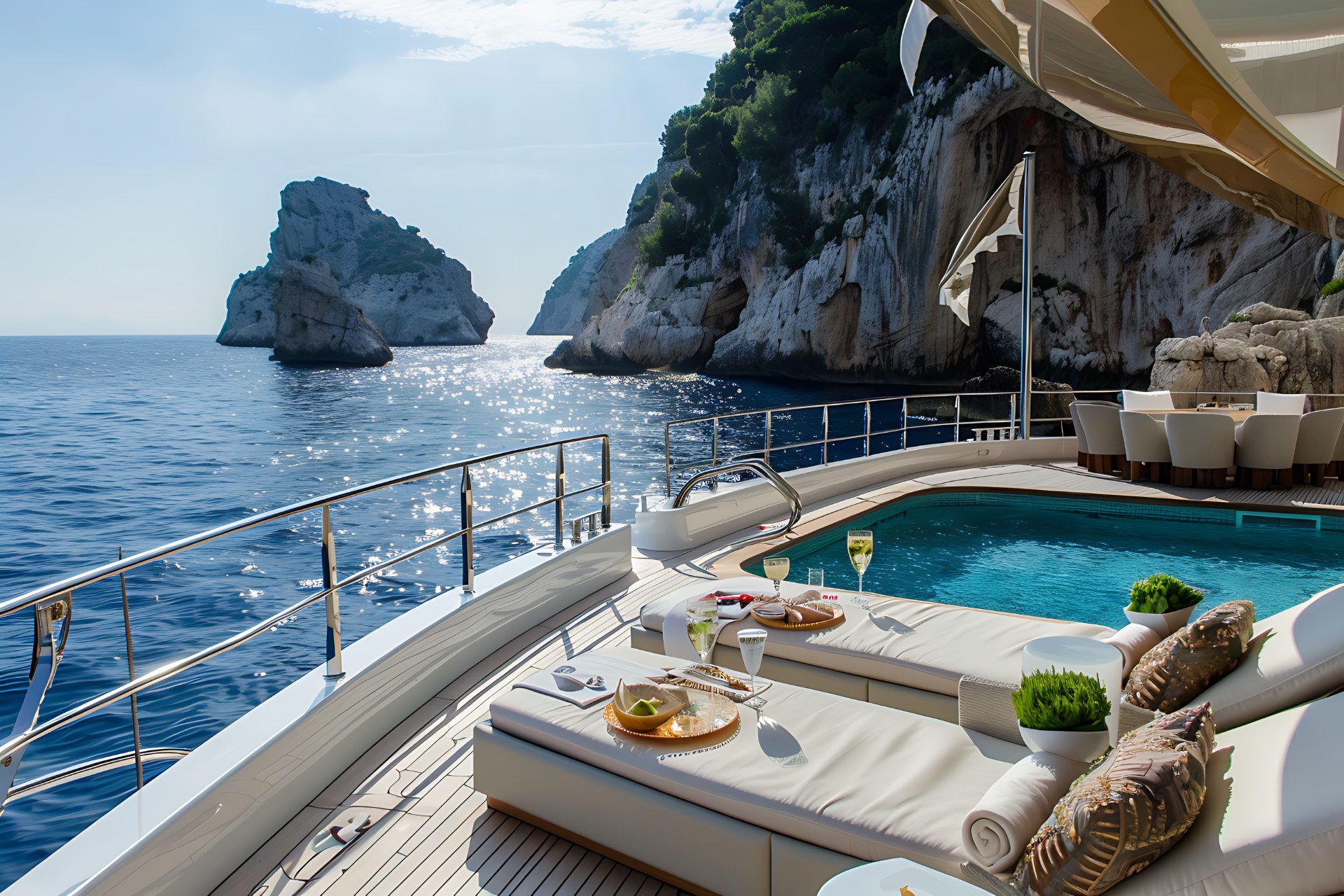
Port day snapshot
Barcelona shore-day moodBarcelona is one of Europe’s busiest cruise homeports and a major Western Mediterranean turnaround city. Most large ships berth on Moll Adossat (Terminals A–D), with a shorter walk from the World Trade Center pier at Port Vell. Shore days typically combine Gothic Quarter lanes, Gaudí landmarks, and the beachfront before returning via the Blue Port shuttle or taxi.
Bookable Experiences
SeaDays may earn a commission from qualifying bookings made through partner links. Checkout, payment, and support are handled by the partner.
Peak cruise months are spring and early autumn when walking days are long but less extreme than July–August heat. Midsummer pairs high temperatures with heavier landmark queues—start early for Sagrada Família or Park Güell. Average temperature: Warm summers often mid-to-upper 20s °C; milder winters.
Best season: April, May, June, September, October
Southern Adossat cruise pier; shuttle bus often required from terminal area to city bus hub.
Mid-Adossat cruise terminal; follow pier assignment for your ship.
Mid-north Adossat berth; shared passenger-processing patterns with A/B.
Northern Adossat cruise pier; farthest from Columbus column—allow transfer time.
Near-city-center cruise pier at Port Vell; shortest walk to Rambla and Drassanes.
Transportation options
Barcelona rewards a focused plan: Adossat berths need a shuttle or taxi into town, while the World Trade Center pier is closer to Port Vell. Pick one district cluster rather than racing across the city.
Barcelona rewards a focused plan: Adossat berths need a shuttle or taxi into town, while the World Trade Center pier is closer to Port Vell. Pick one district cluster rather than racing across the city.
Top things to do
Short call (about 4–5 hours ashore)
Stay near Port Vell / Gothic Quarter / Ramblas. A cathedral-area walk, a market stop, and a café work well. Skip Sagrada Família and Park Güell unless you already hold tickets and have a private transfer waiting.
Standard call (about 6–8 hours ashore)
Choose either (A) Gothic Quarter + Ramblas/Boqueria + waterfront return, or (B) timed Sagrada Família plus one nearby neighborhood—not both Park Güell and Sagrada Família with a tight all-aboard from Adossat.
Longer call (8+ hours or overnight)
With a long day or overnight, combine a major Gaudí ticket with a second district (Eixample, Montjuïc, or Barceloneta). Still leave a generous buffer for Adossat shuttle queues.
Practical cruise tip
Confirm Adossat vs World Trade Center before planning a walk. From Adossat, treat the Blue Port shuttle or a taxi as part of your schedule—not optional.
Peak cruise months are spring and early autumn when walking days are long but less extreme than July–August heat. Midsummer pairs high temperatures with heavier landmark queues—start early for Sagrada Família or Park Güell.
Notable features
Cultural context
Moll Adossat roughly 3–5 km from central Ramblas / Gothic Quarter; WTC pier under 1 km
Port shuttle links Adossat with the city-side bus hub; metro and buses serve central districts once you leave the pier zone Ship-to-terminal assignment (Adossat A–D vs WTC) depends on your sailing—check the daily program. For a 6–8 hour call, prioritize one cluster (Gothic Quarter/Ramblas or a pre-booked Gaudí timed ticket) and return with shuttle/taxi buffer.
Spain follows Schengen / European short-stay frameworks for many travelers, but visa and passport rules depend on nationality and can change. Confirm with official government sources and your cruise line before travel. Carry a valid passport (or a national ID only where your cruise line and destination authorities explicitly accept it). Shore excursions do not change document rules—keep required ID with you ashore.
Best months: April, May, June, September, October. Peak cruise months are spring and early autumn when walking days are long but less extreme than July–August heat. Midsummer pairs high temperatures with heavier landmark queues—start early for Sagrada Família or Park Güell.
Public community reviews for Barcelona live in the SeaDays app.
Barcelona matters to cruise planning because port time, transport distance, and all-aboard timing shape how much of the destination you can realistically enjoy. Barcelona matters to cruisers because it often sets tone for the itinerary: first impressions, jet-lag recovery, or a final day before flying home.
April, May, June, September, October
Before leaving the ship in Barcelona, save the pier location, ship time, and any shuttle details offline. Hydrate and pace walking in heat; schedule meals so you are not rushing back from distant districts.
What if you miss the ship? · Cruise packing list · Ships directory
Port guideBest Mediterranean Cruise Ports: What to Do in Each StopThe Mediterranean rewards travelers who mix iconic sights with local rhythm. From Barcelona’s architecture to Santorini’s caldera, Dubrovnik’s walls, and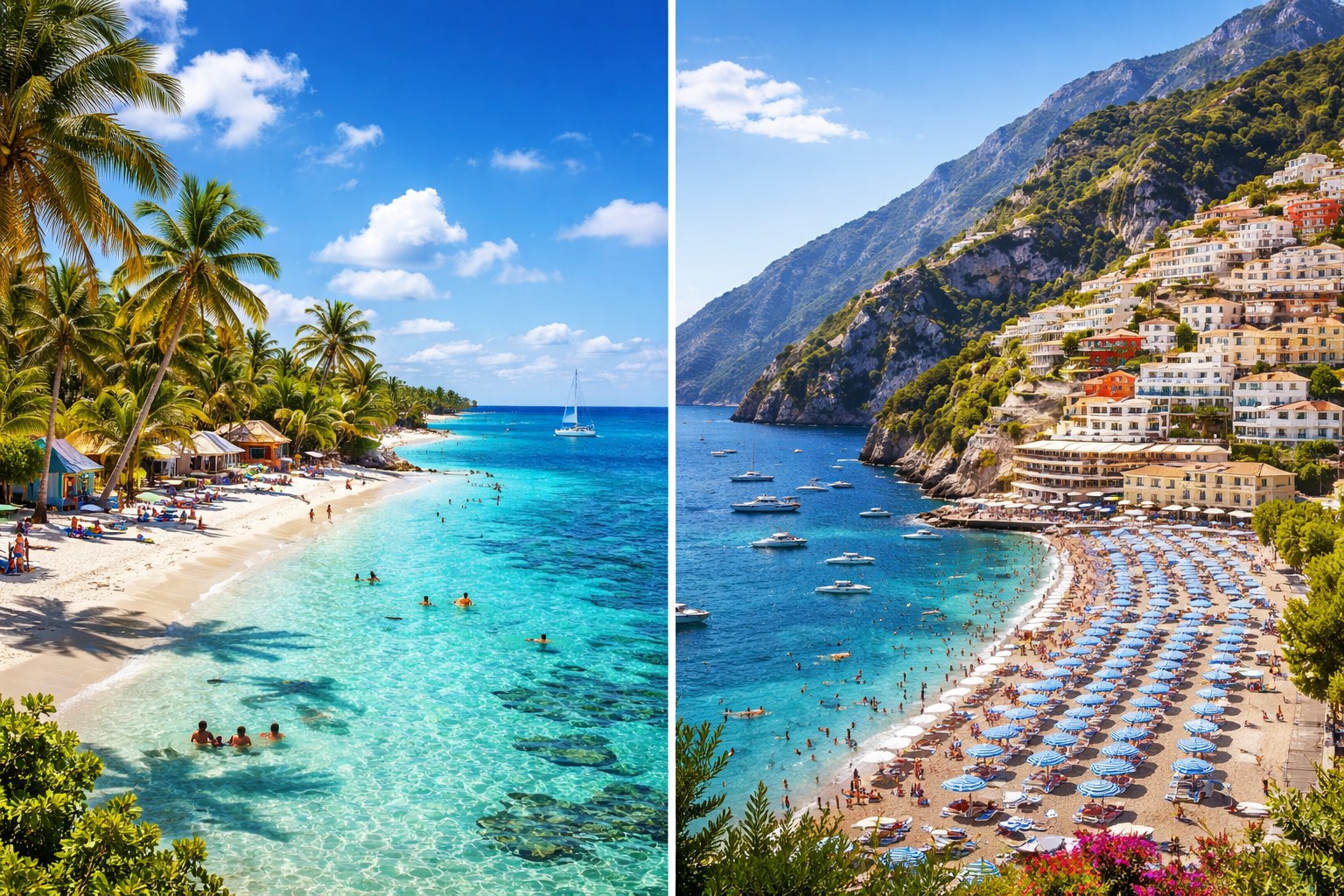 Port guideCaribbean vs Mediterranean Cruise: Which Should You Choose for Your First Trip?First-time cruisers often narrow the world to two iconic regions—the warm, beach-forward Caribbean or the culture-dense Mediterranean. Neither is “better”;
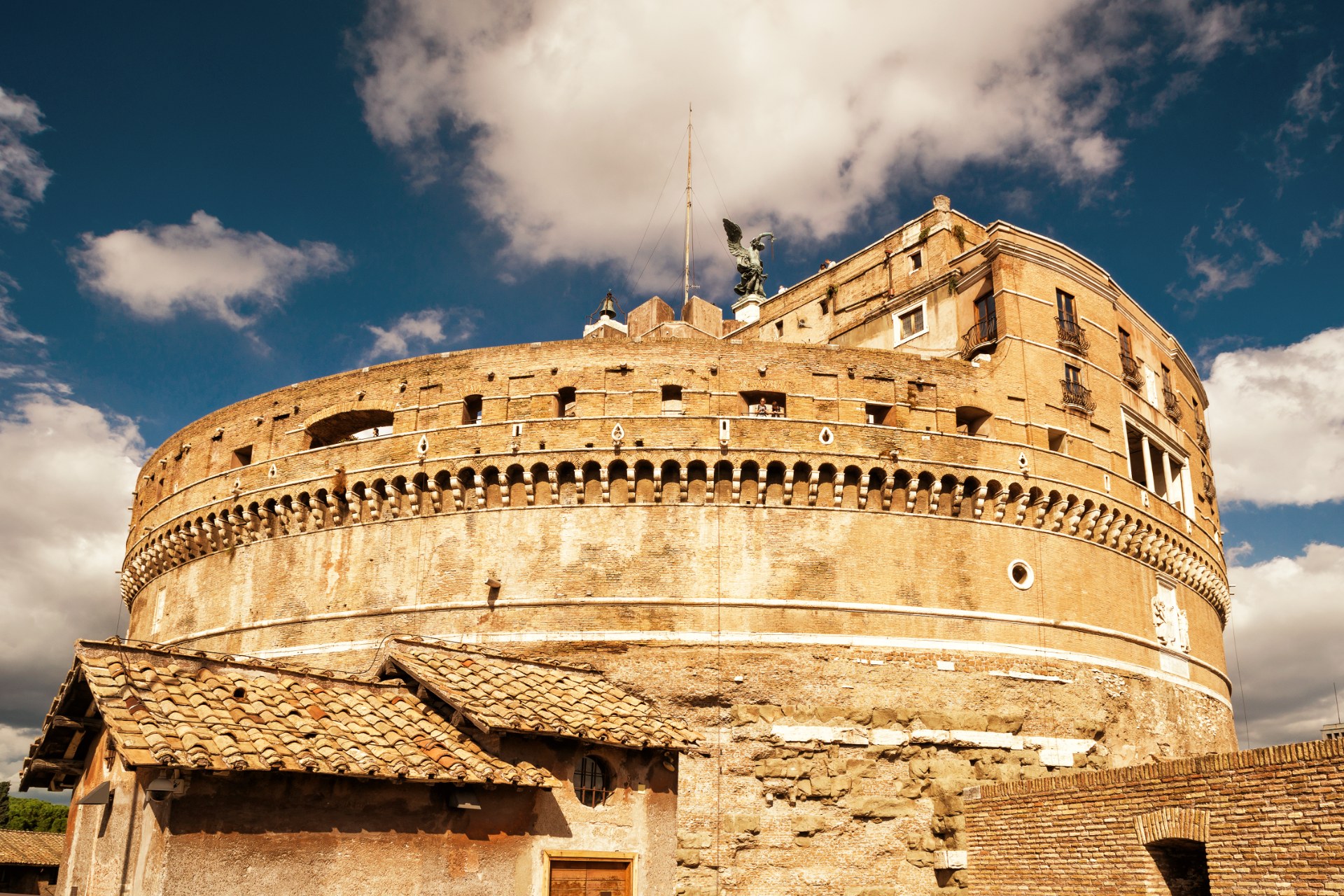 Port guideRome (Civitavecchia) Cruise Port: How to Explore the Eternal CityCivitavecchia is Rome’s cruise gateway—not Rome itself. Success means respecting distance, train schedules, and realistic sightseeing. This guide explains transfers,
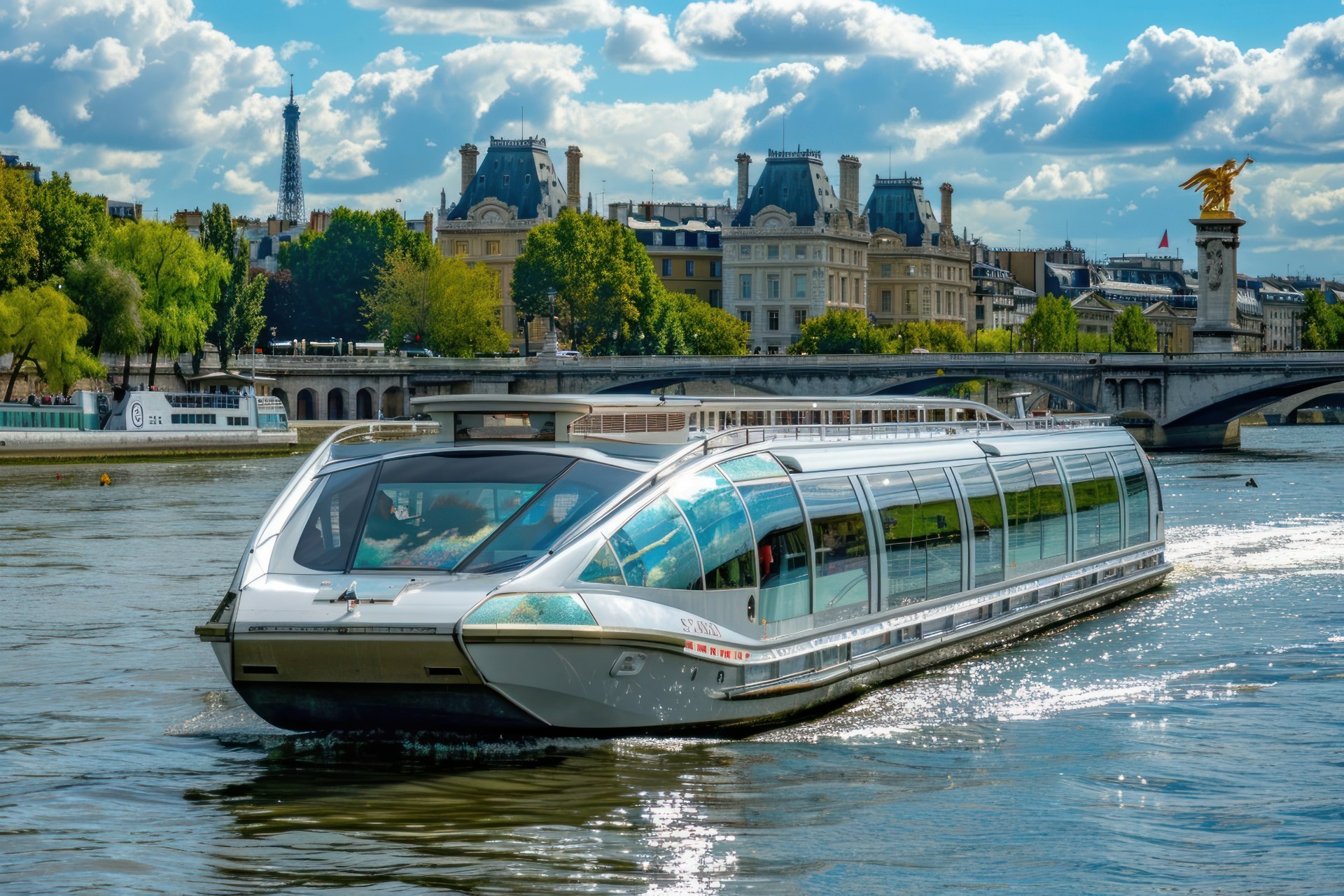 Port guideRiver Cruises vs Ocean Cruises: Which Is Right for YouRiver Cruises vs Ocean Cruises: Which Is Right for You: practical cruise advice covering Marseille, the Mediterranean, and real scenarios.
 Port guide7 Ways Planning Your Cruise Properly Saves You Money7 Ways Planning Your Cruise Properly Saves You Money: practical cruise advice covering Roatan, the Mediterranean, and real scenarios. Written
 Port guideWhy Cruises Are the Best Way to Travel Europe Right NowEurope rewards travelers who can move between languages, currencies, and transit systems without losing their minds mid-vacation. Cruises solve the