Civitavecchia is Rome’s principal cruise gateway. Roma Cruise Terminal manages multiple passenger facilities (including Amerigo Vespucci and Donato Bramante). Free port shuttles typically link piers with the Largo della Pace service area; Rome itself is about an hour away by regional train plus local transfer.
Bookable Experiences
Top Rated Experiences
Explore experiences in Rome (Civitavecchia)
Book shore excursions, tours & activities with our partner
SeaDays may earn a commission from qualifying bookings made through partner links. Checkout, payment, and support are handled by the partner.
Weather & best season
Spring and early autumn are popular for Rome shore days. Midsummer requires earlier starts, water, and realistic queue expectations at major sites. Average temperature: Hot summers inland in Rome; coastal breezes at the port.
Best season: April, May, June, September, October
Port information
Location
Lazio coast, about 70 km northwest of central Rome, Italy
Timezone
CET (UTC+1) / CEST (UTC+2)
Language
Italian; English common at terminals and tourist services
Currency
Euro (EUR)
Population
Civitavecchia town roughly 50,000; Rome metro destination for most guests
Cruise terminals
Terminal Amerigo Vespucci
Primary
Home port & transit · 1.2 km from city center
Large Roma Cruise Terminal passenger building on Quay 12 North; major embarkation/turnaround hub with extensive check-in and baggage areas. Free port shuttles commonly link piers with the Largo della Pace service area.
check-in hall
security
baggage
coach parking
passenger services
Terminal Donato Bramante (Quay 12 South / Pier 12)
Home port & transit · 1.3 km from city center
Canonical Pier 12 South passenger terminal operated by Roma Cruise Terminal (also referred to historically as Terminal Bramante). Modern check-in capacity beside the Vespucci complex; confirm Pier 12 assignment on arrival-day signage. This record replaces duplicate “Bramante / Donato Bramante” cards that previously described the same facility.
check-in hall
security
seating
covered pier access
passenger services
Terminal 10
Home port & transit · 1.5 km from city center
RCT cruise terminal at Quay 10 along the Cristoforo Colombo antemurale. Used for cruise operations alongside the larger Vespucci/Bramante buildings—follow ship documents for the assigned quay.
passenger processing
pier access
shuttle links
Terminal 25 South
Home port & transit · 2 km from city center
RCT terminal at Quay 25 South, on the opposite side of the antemurale from the main Quay 10–13 cruise cluster. Transfers still typically funnel through port shuttle / Largo della Pace patterns—allow a little extra orientation time.
passenger processing
pier access
Getting there
From the terminal
Ships berth at RCT piers (commonly Terminal Amerigo Vespucci, Terminal Donato Bramante on Quay 12 South, Terminal 10, or Terminal 25 South). Free shuttle buses commonly run between docks and Largo della Pace—confirm your building on arrival-day signage.
Distance to city
Civitavecchia center is near the port; central Rome is roughly 70 km / about 60–90 minutes by train plus local transfer
Walking
Train station is about 1–1.5 km from port approaches—many guests use bus/taxi rather than walking with luggage
Taxi
Taxis available for station or Rome transfers; agree approach/fare expectations for longer Rome trips
Public transport
Frequent Trenitalia regional trains link Civitavecchia with Roma Termini and other Rome stations; local buses and a seasonal direct station–ship service may operate on turnaround days Rome needs a realistic all-aboard buffer (train + station/port transfer + security). If your call is under ~8–9 hours, consider a tighter Rome plan or stay nearer the coast rather than overpacking sights.
Transportation options
Free port shuttle
Regional train to Rome
CSP / local bus station–port links
Cruise shore excursions
Overview
Most guests treat Civitavecchia as Rome’s gateway. A Rome day is rewarding but tight; staying local or choosing Tarquinia can be smarter on shorter calls.
Things to do
Most guests treat Civitavecchia as Rome’s gateway. A Rome day is rewarding but tight; staying local or choosing Tarquinia can be smarter on shorter calls.
Top things to do
Rome classics (Colosseum area, historic center, or Vatican—pick one cluster)
Regional train via Civitavecchia station + local transfer in Rome
Organized Rome shore excursion with guaranteed return timing
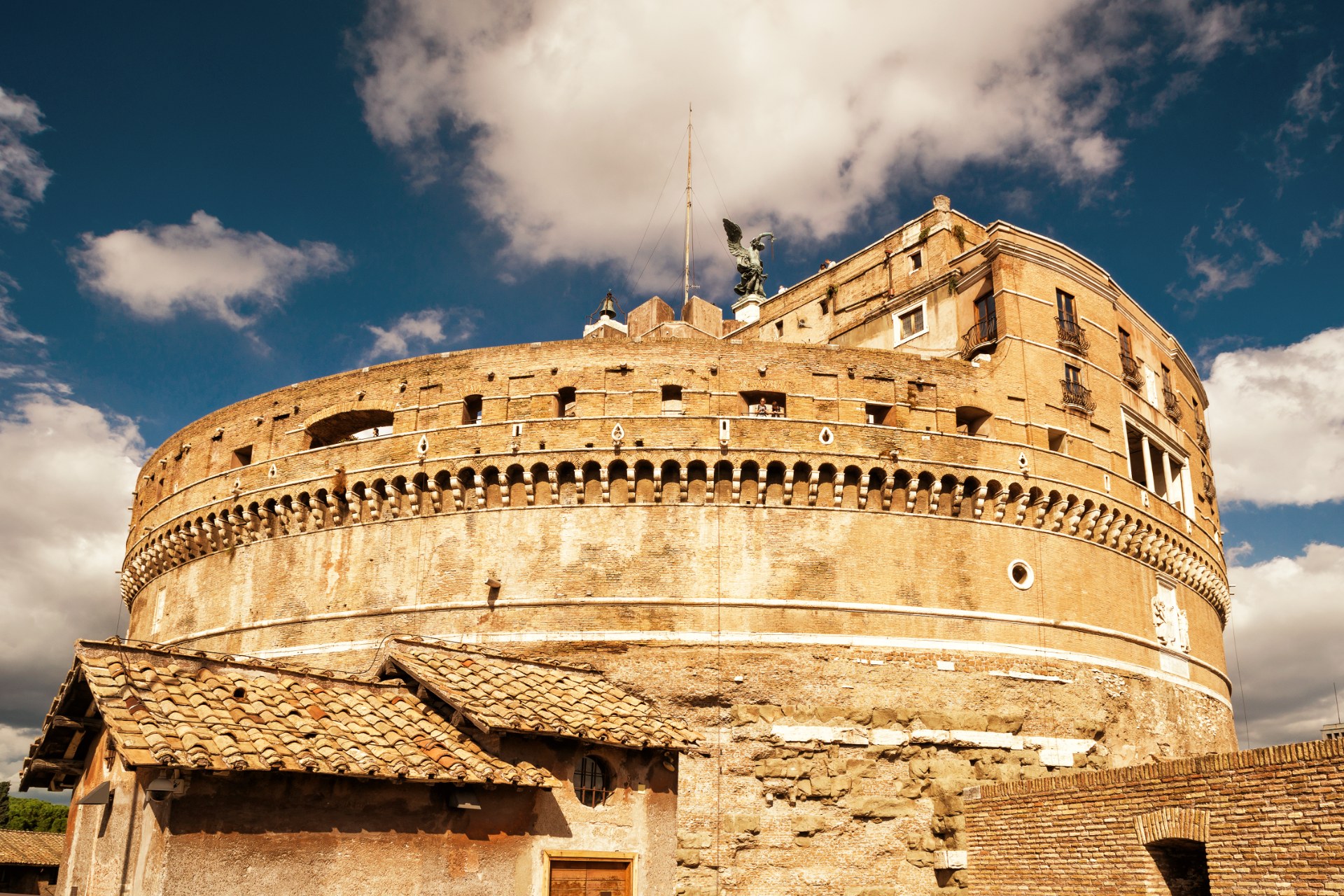
Civitavecchia fortress / waterfront if remaining in town
Tarquinia or coastal Lazio on a lighter cultural day
Short call (about 4–5 hours ashore)
Skip Rome. Explore Civitavecchia’s waterfront and fortress area, or take a short taxi/bus loop nearby. A rushed Rome round-trip with only ~4–5 hours ashore is a common miss-ship risk.
Standard call (about 6–8 hours ashore)
Rome is possible with an early start: free port shuttle to Largo della Pace, train toward Rome, one landmark cluster, then a disciplined return. Many guests prefer a line excursion for timing insurance. Do not plan Colosseum + Vatican + historic center in one call.
Longer call (8+ hours or overnight)
A long day supports one major Rome cluster plus a neighborhood meal, or a more relaxed Tarquinia/coast option. Overnight or embarkation stays change the math entirely.
Practical cruise tip
Note your RCT terminal (Vespucci, Donato Bramante / Pier 12, Terminal 10, or 25 South). Use the free pier shuttle and keep passport/ID on you in Rome.
Climate
Spring and early autumn are popular for Rome shore days. Midsummer requires earlier starts, water, and realistic queue expectations at major sites.
Climate type
Mediterranean
Average temperature
Hot summers inland in Rome; coastal breezes at the port
Humidity
Rome summer heat feels intense in open plazas
Best months
April, May, June, September, October
Rainy season
Autumn can be wetter; summer mostly dry
Politics & entry requirements
Government
Parliamentary republic (Italy)
Stability
Ordinary urban/tourist awareness applies; check local notices if demonstrations or large events affect transfer routes.
Visa requirements
Italy follows Schengen / European short-stay frameworks for many travelers, but visa and passport rules depend on nationality and can change. Confirm with official government sources and your cruise line before travel.
Entry requirements
Carry a valid passport (or a national ID only where your cruise line and destination authorities explicitly accept it). Shore excursions do not change document rules—keep required ID with you ashore.
Facts
Established
Ancient Roman port heritage; modern cruise gateway role expanded with Roma Cruise Terminal facilities
Significance
Italy’s busiest cruise port for many seasons and the standard sea approach for Rome itineraries—logistics matter as much as landmarks
Rail link toward Rome as the independent traveler backbone
Cultural context
Rome day-trip gravity for most cruise guests
Etruscan/coastal alternatives such as Tarquinia for lighter days
Size & capacity
Port capacity
Roma Cruise Terminal (RCT) operates multiple cruise passenger facilities in Civitavecchia (commonly cited as five terminal/berth areas including Quays 10–13 and 25). SeaDays lists the primary named passenger buildings passengers meet most often.
Terminals
4
Annual visitors
One of the Mediterranean’s highest-volume Italian cruise gateways (exact annual totals vary by year—check Port Authority / RCT publications for the current season)
City size
Gateway town ~50,000; most shore time spent in Rome (~2.8M city)
Traveler questions
How far is Rome (Civitavecchia) cruise terminal from the city center?
Civitavecchia center is near the port; central Rome is roughly 70 km / about 60–90 minutes by train plus local transfer
Guide answer
What transport options are available from the Rome (Civitavecchia) cruise port?
Frequent Trenitalia regional trains link Civitavecchia with Roma Termini and other Rome stations; local buses and a seasonal direct station–ship service may operate on turnaround days Rome needs a realistic all-aboard buffer (train + station/port transfer + security). If your call is under ~8–9 hours, consider a tighter Rome plan or stay nearer the coast rather than overpacking sights.
Guide answer
What are the entry or visa requirements for Rome (Civitavecchia)?
Italy follows Schengen / European short-stay frameworks for many travelers, but visa and passport rules depend on nationality and can change. Confirm with official government sources and your cruise line before travel. Carry a valid passport (or a national ID only where your cruise line and destination authorities explicitly accept it). Shore excursions do not change document rules—keep required ID with you ashore.
Guide answer
When is the best time to visit Rome (Civitavecchia) on a cruise?
Best months: April, May, June, September, October. Spring and early autumn are popular for Rome shore days. Midsummer requires earlier starts, water, and realistic queue expectations at major sites.
Guide answer
Reviews
Public community reviews for Rome (Civitavecchia) live in the SeaDays app.
Cruise relevance
Rome (Civitavecchia) matters to cruise planning because port time, transport distance, and all-aboard timing shape how much of the destination you can realistically enjoy. Embarkation from Rome (Civitavecchia) can simplify flight planning when airports and hotels align; compare total trip cost versus other homeports.
Best time to visit
April, May, June, September, October
Tips for travelers
Before leaving the ship in Rome (Civitavecchia), save the pier location, ship time, and any shuttle details offline. Book independent tours with verified reviews and clear meeting points; screenshot confirmations in case connectivity fails.